
Tempo de leitura: 5 minutos
- Africa now has about 230 special economic zones across 42 countries, up from about 20 in 1990.
- More than 40% of surveyed zones operate at less than a quarter of their capacity, while only 15% run at full capacity.
- A new AfDB report says stronger local linkages, higher environmental and social standards, and better regional coordination are needed to unlock their industrial potential.
Walid Kéfi | African countries can turn special economic zones (SEZs) into a powerful tool for industrialization by strengthening ties with local businesses, adopting a regional division of industrial specialization instead of direct competition, and incorporating stronger environmental and social standards into these zones.
That is the main conclusion of the African Industrialization Index 2025, a report published on May 24 by the African Development Bank (AfDB) in partnership with the African Union (AU) and the United Nations Industrial Development Organization (UNIDO).
The report notes that SEZs are designated areas that operate under rules more favorable to investment and industrial activity than those applied in the rest of the country. They include a wide range of arrangements, such as free zones, export processing zones, industrial parks, agricultural free zones, and free ports.

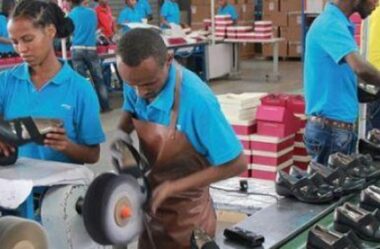
The Glo-Djigbé Special Economic Zone site in Benin.
Often managed by dedicated authorities, SEZs offer regulatory, financial, and administrative advantages, including simplified customs procedures, tax incentives, and flexible investment rules. These measures are designed to improve the efficiency and competitiveness of companies operating within the zones compared with those located elsewhere in the country.
When managed effectively, SEZs can help developing countries overcome structural constraints such as weak infrastructure and complex regulations. They can provide a more attractive environment for domestic and foreign investors while facilitating technology transfer and industrial modernization.
Africa’s use of this model has expanded significantly over the past three decades. The number of SEZs has grown from about 20 in 1990 to roughly 230 legally established zones across 42 countries today.
This rapid expansion reflects the strong interest African governments have shown in SEZs as a tool of industrial policy. However, their level of operational maturity remains uneven. Well-established and relatively successful zones in Mauritius, Morocco, and South Africa coexist with many projects that are still under construction or remain at an early stage of development in most other countries.
Modest Results
Overall, most African SEZs continue to deliver results that fall short of expectations. A recent survey conducted by UN Trade and Development (UNCTAD) found that a significant share of African SEZs remains underutilized. More than 40% of the sample of 39 zones studied had reached less than a quarter of their capacity, while only 15% were operating at full capacity.
More than 40% of the 39 African special economic zones surveyed were operating at less than a quarter of their actual capacity, while only 15% were functioning at full capacity.
Several factors explain this situation, including overly optimistic demand forecasts, shortages of local skills, limited private-sector interest, and governance challenges. To strengthen the contribution of SEZs to industrial development, the report first recommends that African governments engage in a strategic dialogue to clarify the role these zones are expected to play within national industrial policies and ensure that their design aligns with long-term development priorities.
Areas for Improvement
Within this framework, SEZs should not remain limited to the early stages of low-cost, labor-intensive production, as this risks turning them into little more than export enclaves.
Instead, they should serve as catalysts within broader industrial strategies aimed at developing local skills, strengthening countries’ ability to absorb new technologies, and integrating domestic companies into regional and global value chains. In this regard, the integration of local small and medium-sized enterprises (SMEs) operating in priority value chains is essential to the long-term viability of SEZs.
This should involve encouraging production complementarities and circular linkages beyond the zones themselves, building stronger connections with suppliers, service providers, and local entrepreneurs, and implementing programs that encourage domestic SMEs to establish operations within the zones.
The report also argues that government policies focused on attracting investors through generous incentives, sometimes at the expense of labor rights and environmental protection, should be reviewed. The traditional SEZ model based on low labor costs and weak social and environmental standards is becoming increasingly out of step with changes in global trade and investment.
The traditional model based on cheap labor and limited social and environmental requirements is becoming less suited to today’s international trade and investment environment.
This is especially true as sustainability requirements increasingly influence market access and competitiveness, as illustrated by measures such as the European Union’s Carbon Border Adjustment Mechanism (CBAM).
The report says public policies should place greater emphasis on environmental management, circular economy principles, labor protection, and social inclusion. These standards should be embedded in regulatory frameworks, governance models, and infrastructure to encourage innovation, attract higher-value investment, and strengthen the contribution of SEZs to inclusive and sustainable industrial development.
Stimulating Regional Cooperation
Last but not least, the report urges African countries to move beyond fragmented, country-by-country approaches and align SEZ development strategies with regional industrial policies.
Coordinating the development of these zones around regional value chains could generate much greater collective benefits, as demonstrated by the experience of the Association of Southeast Asian Nations (ASEAN).
With more than 1,600 zones, ASEAN’s 11 member states have created an interconnected network of production and logistics hubs built around a regional division of industrial specialization. This approach has helped reduce direct competition between zones, capitalize on complementarities, attract cross-border investment, and expand access to regional markets.

One of the main obstacles to building a competitive African network of SEZs remains the lack of coherence between regional and national frameworks. Regional economic communities such as the East African Community (EAC) and the Common Market for Eastern and Southern Africa (COMESA) use different definitions and rules for these zones. At the same time, national policies often diverge from regional commitments and vary considerably in how they regulate SEZs, export processing zones, and industrial parks. This fragmentation complicates harmonization and creates inconsistencies in the way incentives, production rules, and market access are applied from one country to another.
The African Continental Free Trade Area (AfCFTA) also offers an opportunity to move African SEZs away from the traditional export-enclave model and turn them into engines of continental integration.
In 2023, the AfCFTA Council of Ministers adopted regulations governing goods produced within SEZs. These rules allow such goods to qualify as originating products and benefit from preferential treatment when they are produced using local raw materials.
Fonte: Ecofin Agency | Foto: Reprodução




Os comentários foram encerrados, mas trackbacks e pingbacks estão abertos.