
Tempo de leitura: 2 minutos
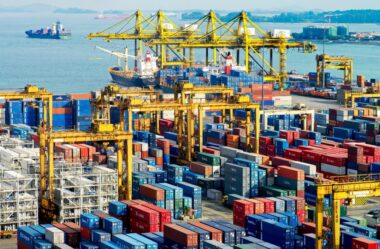
This paper analyses international experience with zone-based policies, such as special economic zones and enterprise zones. These targeted place-based policies can help improve long-term economic and well-being outcomes in regions but require careful strategic planning, well-designed incentives and strong governance mechanisms to minimise displacement and maximise positive impacts beyond the borders of the zone. Drawing on case studies from across the OECD, this paper offers policy insights into designing and implementing zone-based initiatives that effectively contribute to regional development.
ABOUT THE OECD
The OECD is a multi-disciplinary inter-governmental organisation with member countries which engages in its work an increasing number of non-members from all regions of the world. The Organisation’s core mission today is to help governments work together towards a stronger, cleaner, fairer global economy. Through its network of specialised committees and working groups, the OECD provides a setting where governments compare policy experiences, seek answers to common problems, identify good practice, and co-ordinate domestic and international policies. More information available: www.oecd.org.
ABOUT OECD REGIONAL DEVELOPMENT PAPERS
Papers from the Centre for Entrepreneurship, SMEs, Regions and Cities of the OECD cover a full range of topics including regional statistics and analysis, urban governance and economics, rural governance and economics, and multi-level governance. Depending on the programme of work, the papers can cover specific topics such as regional innovation and networks, sustainable development, the determinants of regional growth or fiscal consolidation at the subnational level. OECD Regional Development Papers are published on http://www.oecd.org/cfe/regional-policy. This work is published under the responsibility of the Secretary-General of the OECD. The opinions expressed and arguments employed herein do not necessarily reflect the official views of the Member countries of the OECD.
This paper is authorised for publication by Lamia Kamal-Chaoui, Director, Centre for Entrepreneurship, SMEs, Regions and Cities, OECD. This document, as well as any statistical data and map included herein, are without prejudice to the status of or sovereignty over any territory, to the delimitation of international frontiers and boundaries and to the name of any territory, city or area. The statistical data for Israel are supplied by and under the responsibility of the relevant Israeli authorities. The use of such data by the OECD is without prejudice to the status of the Golan Heights, East Jerusalem and Israeli settlements in the West Bank under the terms of international law.





Os comentários foram encerrados, mas trackbacks e pingbacks estão abertos.